WEINGUT TAMARA KÖGL
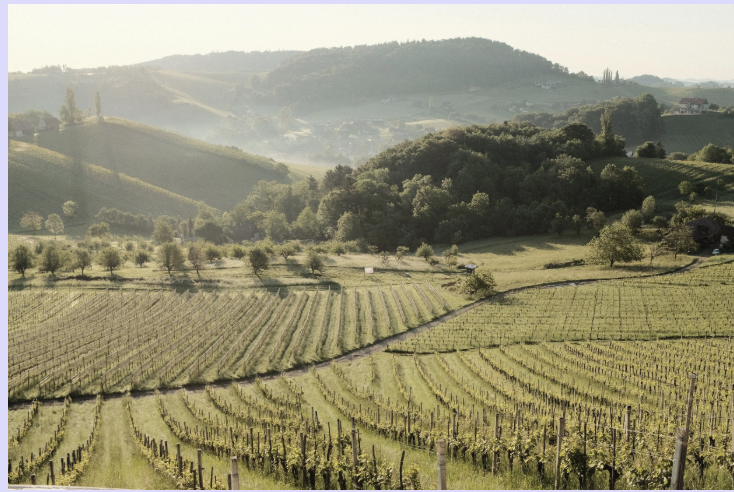
Ratsch an der Weinstraße is a small wine village on the South Styrian Wine Road, a 25-kilometer route through the steep hills of Südsteiermark that was laid out in the 1950s as Austria’s first wine road. In two places the road itself is the border with Slovenia, running for about 2.5 kilometers along the line between the two countries. The region is best known for Sauvignon Blanc, Welschriesling and Muskateller from very steep slopes. Since 2015 Ratsch has been part of the town of Ehrenhausen an der Weinstraße, the name that appears on some of Tamara’s labels.
Tamara’s grandfather did not have a winery of his own, but when the chance came to buy an old farmhouse in Ratsch, he took it. The house, known locally as Moarjörgl, is at least 300 years old. Like many families in the area, the Kögls lived largely off their own land and kept pigs and cows until 1993. That year they made their first wine. The family added guest rooms, and by 2000 wine had become their main business.
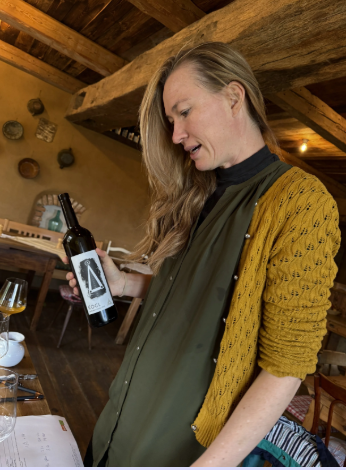
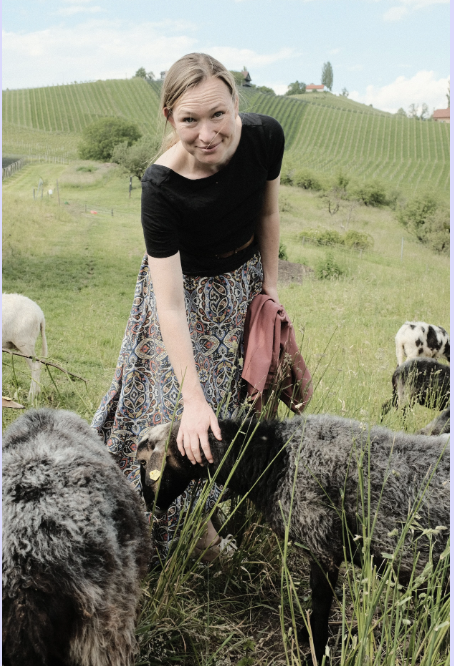
Tamara trained at the Silberberg wine school in nearby Leibnitz and worked at Hirtzberger in the Wachau and at Gross in Südsteiermark before coming home in 2008. She opened the buschenschank soon after, took over the estate, and has since grown it from two hectares to about ten. A buschenschank is a Styrian institution protected by law: it may serve only wine from the family’s own grapes, made in their own cellar, with cold food from the farm, typically a board of Speck, cured meats, horseradish, spreads and farm bread. In 2020 the Austrian wine magazine Falstaff named Tamara its wine-tavern host of the year. Her mother and her aunt Martha run the kitchen, garden and guest rooms with her, and her father helps with bottling and the cellar machinery.
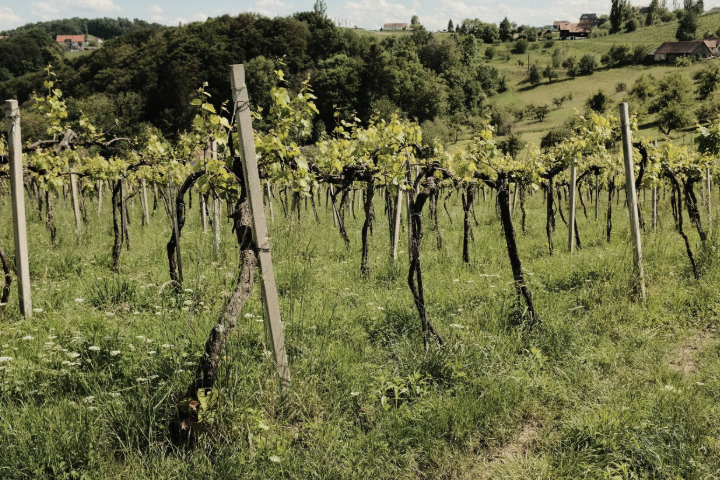
The vineyards form one contiguous property around the house, on the Stermetzberg hill at about 430 to 480 meters, facing south-southeast. Soils range from limestone-rich marl, which she calls Kalkmergel, to pure sand. Her oldest vines are four rows of Welschriesling planted in 1963, which she always bottles on its own. The estate also has woods, a pond and an apple orchard, where Krainer sheep graze in spring and summer. After decades of conventional farming, Tamara converted the vineyards to organic farming; the estate is now certified organic and Demeter-certified biodynamic. “When I taste wine, I don’t taste fruit,” she told the writer Simon Woolf. “I see colours and structures.”
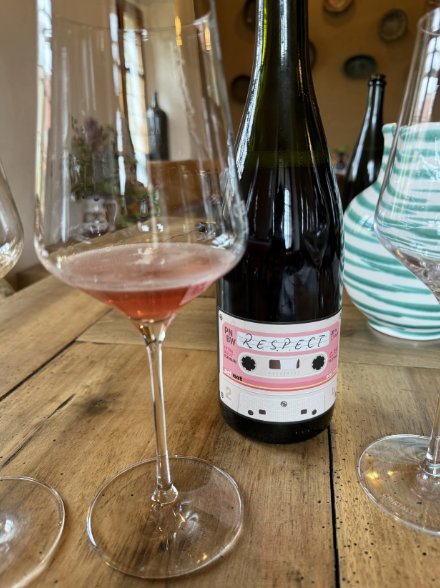
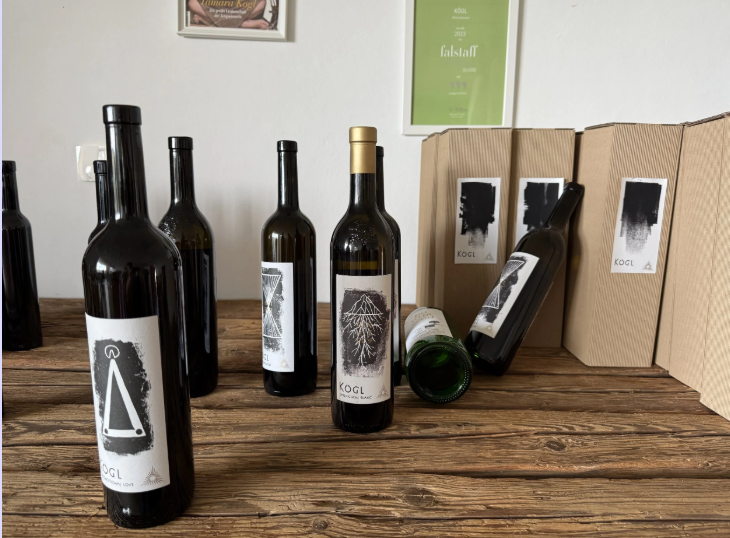
In the cellar, fermentations are spontaneous and the wines age in stainless steel and old barrels, some with skin contact. Sulfur is used sparingly, and wines are filtered only when needed. Her range runs from classic Styrian whites to skin-contact wines, a Zweigelt, a vermouth and pet nats, which remain a personal favorite. Grapes the Südsteiermark appellation doesn’t allow, such as her Grüner Sylvaner, are bottled as Styrian country wine.
The farmhouse where the family kept cows until 1993 now pours pet nats and carbonic Sylvaner at its own buschenschank, on one hillside at the Slovenian border.