Pascal Henriot
Haute-Saône once had nearly 20,000 hectares of vines, more than the entire Jura, and Champlitte, a small commune just north of the Jura and east of Burgundy's Côte d'Or, was among its most important wine-producing villages. By the late 19th century, nearly 500 hectares of vines covered its limestone hillsides. Phylloxera devastated the vineyards, and World War I brought an end to nearly all that remained. Yet Champlitte never lost its wine culture. The town has celebrated Saint Vincent, the patron saint of winegrowers, every year since 1612, even when its vineyards had all but disappeared.
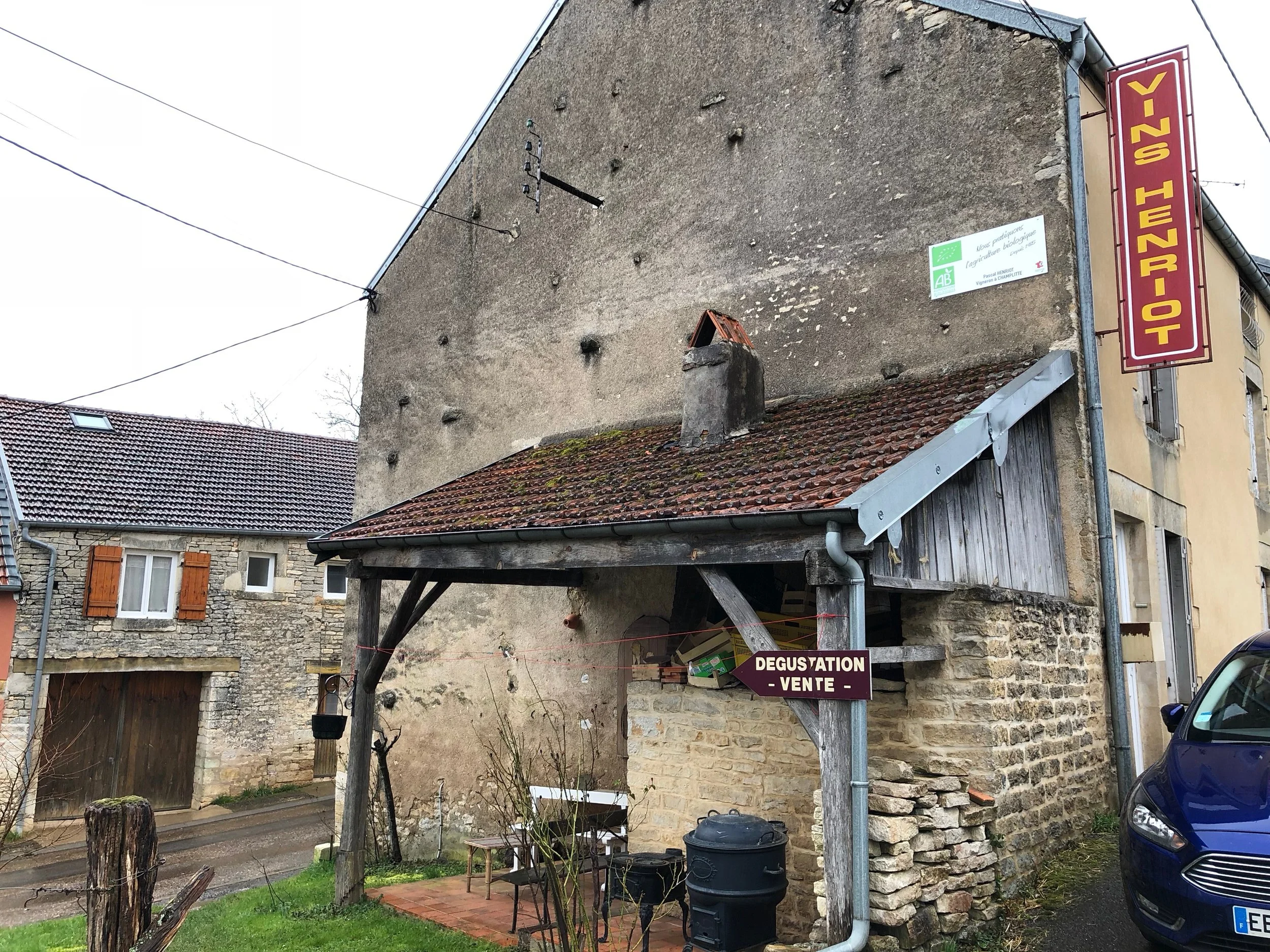
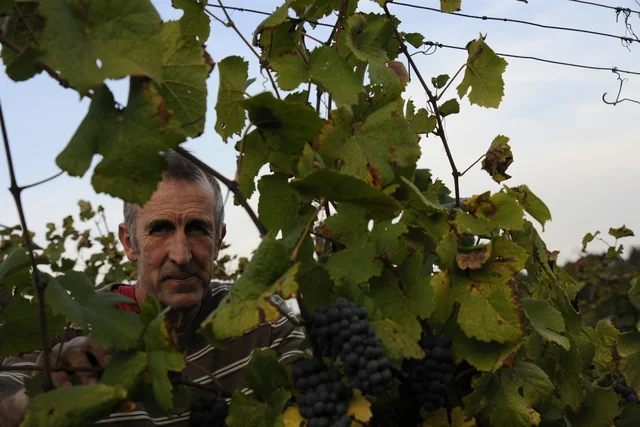
After studying viticulture in Beaune, Pascal Henriot returned to his native Champlitte in 1985 to replant vineyards on hillsides that had been abandoned for nearly a century. He planted his first parcel, Les Folains, that year, followed by Les Monts-Clairs in 1988 and Les Vergers-Carrels in 2012. Pascal established a small independent domaine in a region where commercial winemaking had nearly vanished. The vineyards have been farmed organically since 1985 and are now certified, and the estate remains Champlitte's only independent winery. In 2024, Pascal passed the domaine to his daughter Orane and her husband, Renaud Piralla. The couple had spent nearly a decade working as nurses in Switzerland before returning to Champlitte to continue the family's work.
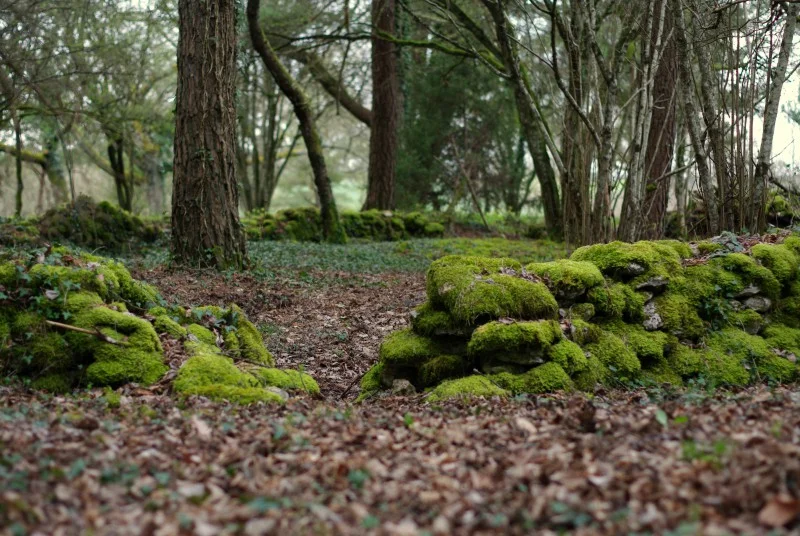
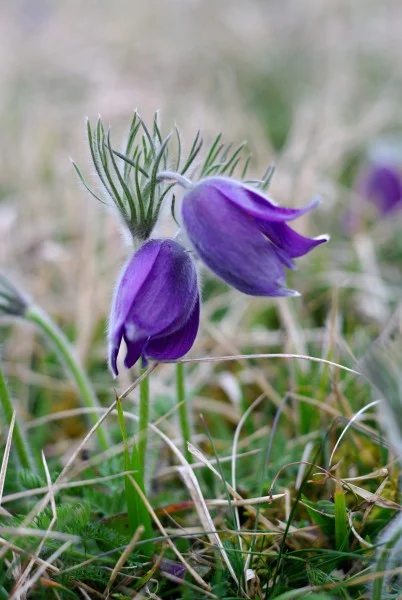
Today, the domaine comprises seven hectares across those three parcels, situated at 250 to 300 meters on southeast-facing clay-limestone slopes formed from ancient coral reefs. The vineyards are planted with varieties associated with both Burgundy and Alsace: Pinot Noir, Gamay, Chardonnay, Auxerrois, Pinot Gris and Gewürztraminer. Native hedgerows and old dry-stone walls surround the parcels, where wild orchids and tulips grow among the vines. Buckwheat and rye are planted between the rows, treatments are limited to copper and sulfur, and newer disease-resistant varieties, including Artaban and Gamaret, allow some parcels to be farmed without treatments. All grapes are harvested by hand.
Orane and Renaud continue Pascal's commitment to organic farming and minimal intervention. Renaud oversees the vineyards, while Orane handles the winemaking, with spontaneous fermentations using indigenous yeasts and small sulfur additions. The wines are fermented and aged in stainless steel or fiberglass tanks, preserving the freshness and character of the local limestone soils. What began as Pascal's determination to restore a few abandoned vineyards has become a second-generation family estate, helping carry Champlitte's centuries-old wine culture into the future.