La Maison Tea Royal
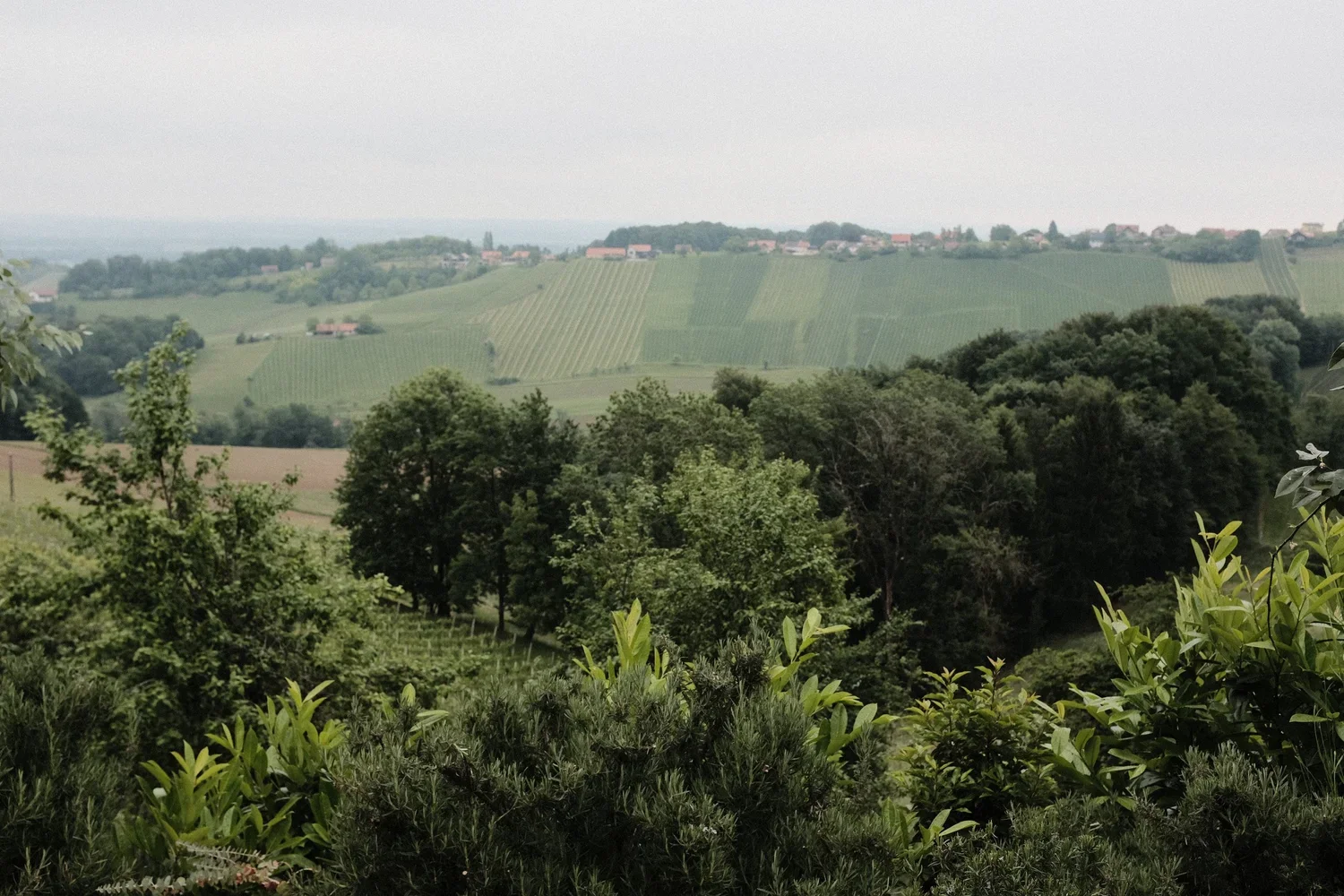
La Maison Tea Royal began as a practical question shared among three winemakers in Southern Styria — Johannes Firmenich, Stefan Schauer, and Bernhard Schauer. As more people around them began to drink less, or not at all, they noticed a gap at the table: non-alcoholic options that felt intentional rather than improvised, and that could hold their place alongside wine without trying to replace it. Their response was not to imitate sparkling wine, but to apply a winemaker’s sensibility to another raw material they knew well: tea.
The foundation of Tea Royal is a selection of carefully sourced teas, layered with herbs and spices and shaped through repeated trials. Lavender and linden blossoms contribute aromatic lift, while grape skins and grape seeds — by-products of the region’s wine production — add texture and length on the palate. Carbonation is used sparingly, with the goal of precision rather than exuberance.
Two expressions emerged through this process. Blooming Rose (Tea No. 7) is built around black tea and hibiscus, offering restrained floral spice, subtle citrus notes, and a pale salmon color. Herbal Garden (Tea No. 9) combines green tea with Greek mountain tea, resulting in a dry, grassy profile with hints of lemon and mint. Both are deliberately unsweetened and designed to remain balanced and food-friendly.
Achieving this profile required time and restraint. Each cuvée went through multiple iterations — seven for one, nine for the other — before the producers felt the balance was right. The numbering remains as a reference to that process. The finished teas are fully alcohol-free and firmly dry in style, intended for use where wine would normally appear: as an aperitif, at the table, or in contexts where alcohol is not desired but quality and structure still matter. Tea Royal is not positioned as a novelty, but as a considered alternative shaped by winemaking experience and regional sensibility.