Georges Millérioux
Nicolas Millérioux is part of a generation of young French vignerons who traveled enough to see that many of the world’s best wine regions were moving backward in order to move forward—returning to slower, lower-intervention vineyard and cellar practices, old vine material and less standardized winemaking. When he came back to Sancerre in 2008, he brought that perspective to his family’s vineyards in Amigny. The domaine is named for his grandfather, Georges, and was run by his father, Jean-Claude, before Nicolas took over. He started with just 3 hectares in 2008 and gradually expanded the estate, which today covers 17 hectares, mostly planted to Sauvignon Blanc with a smaller amount of Pinot Noir.
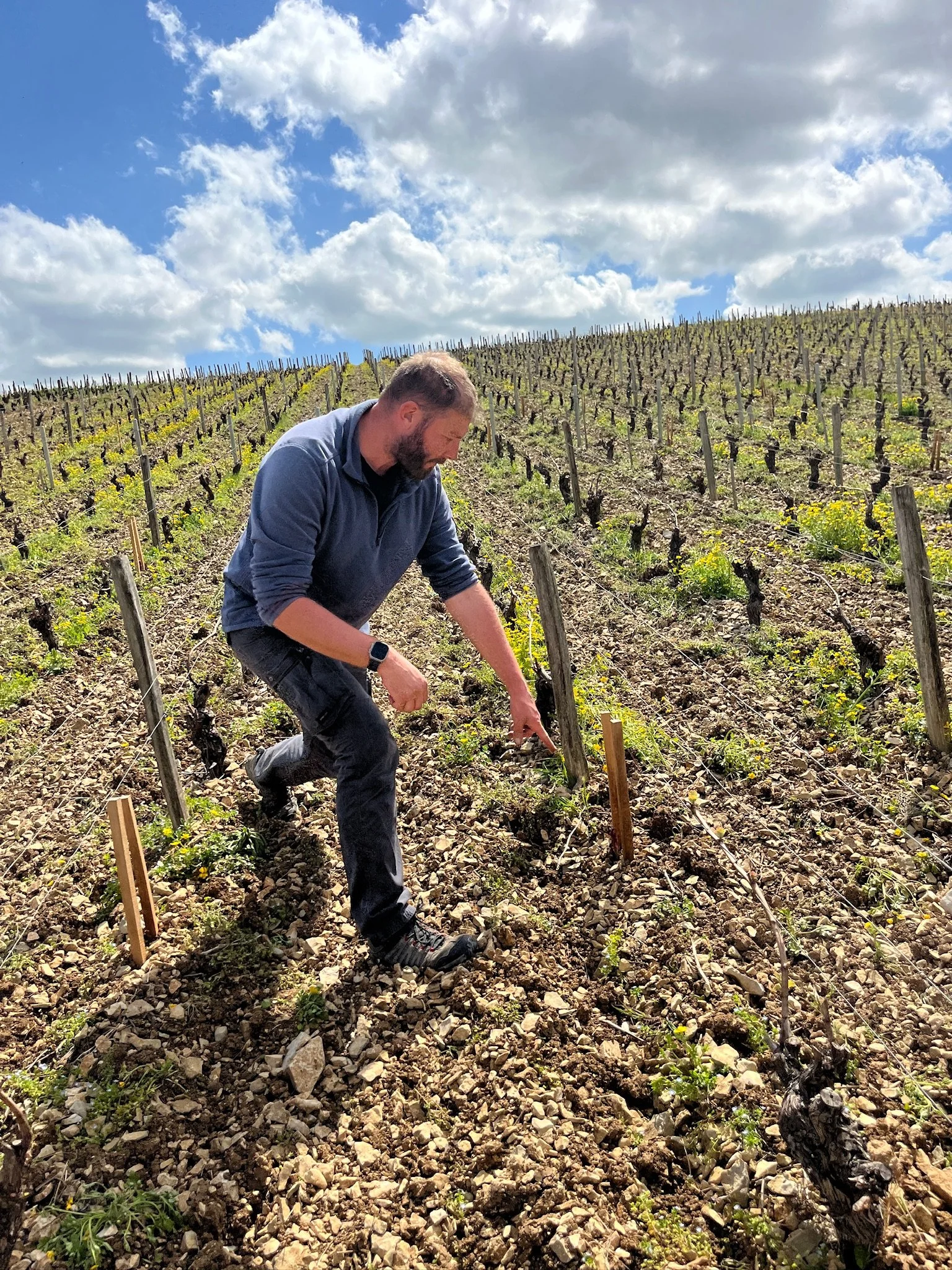
Most of the family’s vineyards are planted on two of Sancerre’s classic limestone soils: caillottes, shallow, hard limestone scattered with stones, and terres blanches, deeper clay-limestone formed from Kimmeridgian marl. Nicolas works the vineyards organically and replants through massale selection from existing vines. Organic farming and massale selection are part of a larger effort to preserve variation and character in a region where clonal material and increasingly standardized vineyard practices have made many wines more alike. Nicolas is interested in what Sancerre can taste like when those differences are allowed to remain visible—from parcel to parcel, soil to soil and vine to vine.
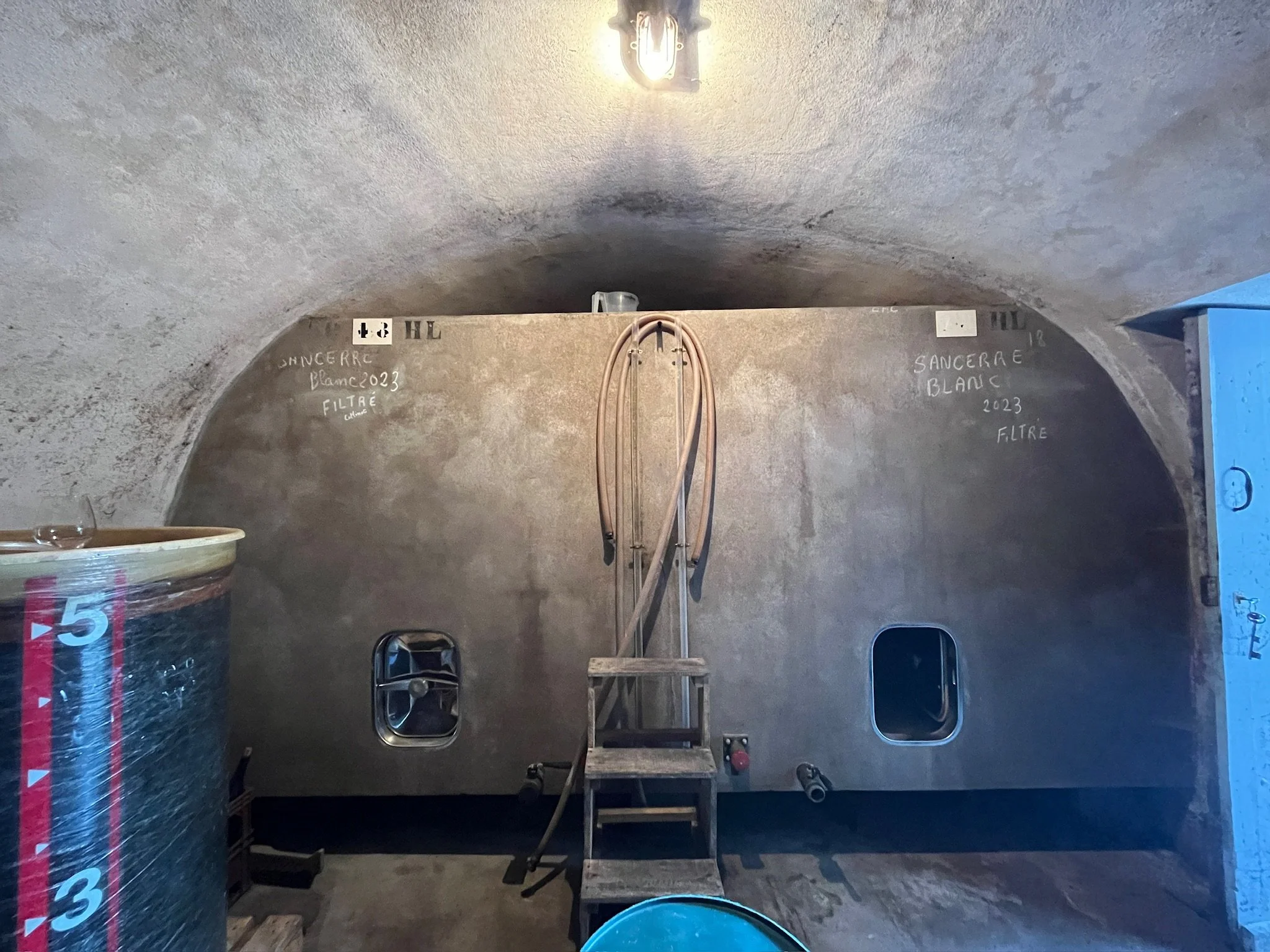
The cellar is handled with the same restraint. Grapes are pressed and the juice moves by gravity to tanks below the press, avoiding unnecessary handling. Fermentations begin spontaneously with indigenous yeasts, and carbon dioxide rather than sulfur protects the juice during fermentation; sulfur is added only later, at racking and bottling. Extended lees aging builds texture and depth. The result is a Sancerre that reaches back to older practices in order to preserve more of the region’s individuality today.